Your cart is currently empty.


About Organic


At Steenbergs, we are passionate about the wonderful tastes, heady smells, glorious colours and the thrill and excitement of high-quality organic spices, peppers, chilli, herbs and teas. We are, also, looking for these organic foods to be farmed in a way that is demonstrably good for nature. This organic and sustainable provenance and food quality only comes through a system of organic agriculture and organic processing for spices and teas.
But what exactly is organic all about and what is so bad with non-organic foods?
At its simplest, organic food is about respect for the consumer and nature, making food the way consumers expect it to be made without harming, damaging or polluting our environment or adding any unnatural ingredients into the foods we consumer. So, it’s no pesticides, no chemical fertilisers, no preservatives, no colours, no artificial flavourings.
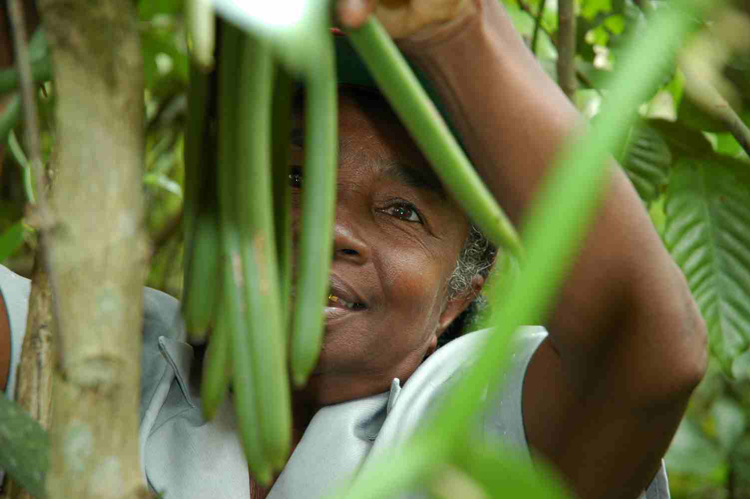
What is organic all about?
At its simplest, organic spices, herbs and teas are plants and seeds that have been grown as naturally as possible. They have been grown sustainably within the natural cycles of the earth, using farming methods that humans have been using to grow and husband plants and animals for millennia.
Organic farming is a reaction against industrial farming and processed foods. Both industrial farming and processed foods conflict with the natural cycles of the planet, because they use science and chemicals to exploit the soil, plants and animals to eke out that extra percentage of yield for the short term rather than nurturing the soil and the spices for the longer term. It’s a self-destructive system that’s bad for the health of the planet, and so for us, over the longer term.
Further, in the countries where organic spices, herbs and teas come from, it is a good programme for the farmers for other reasons – it is cheaper to farm using natural seeds and with compost and manure for fertiliser rather than purchasing chemicals and GMO seeds from the major agrochemical combines. And a farmer who grows organic plants can increase the financial yield from his crops because organic produce commands a higher price than traditionally farmed foods. So, for smallholder farmers in the developing world, Steenbergs believes that organic is a more economically viable from of agriculture over industrial farming. So, not only does it make sense in terms of sustainability and farming resilience, it pays.
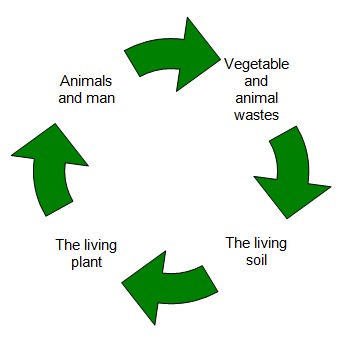
We can visualise the process that organic farming follows as a wheel of life that ensures that all the waste material of life, animal as well as vegetable, are returned back to the soil via compost, manure or to the forest floor. This is known as the doctrine of return. This diagram has been adapted from Lionel Picton’s 1946 book ‘Thoughts on Feeding’.

'I knew that, contrary to the belief of most laymen, fertile soil was not merely the lifeless mineral relics of the effects of the elements of geology. Although they represented its bulk, soil, to support crops, had to be a violent cauldron of physical, chemical and biological activity - the battleground of a complex fight for survival between literally thousands of species of animals and plants, most of which it would be difficult to imagine why they were significant if their numbers were not so astounding.' (Arthur Hollins, 'The Farmer, The Plough & The Devil', 1984)

What does organic farming entail for farmers?
To start with, any farmer wishing to grow spices, herbs, teas or chilli organically must convert their farmland over to organic farming. This means they must follow organic practices for at least three years before they can sell their spices, pepper or chilli or their teas as organic in the UK, the EU or the USA. This is a significant commitment in time and money.
In a nutshell, organic spices, peppers, chilli, herbs and teas must be grown following these three principles:
- Organic seeds: organic farming starts with the organic seeds. Organic seeds must be natural and cannot be genetically engineered, so no GMO. Allied to this, many organic farmers seek to promote a range of different strains of organic plants and organic animals to strengthen the natural biodiversity of farmed species rather than reducing biodiversity through growing single species that are favoured in monoline industrial farming.
- Organic soil: next comes the soil, organic farming looks to build healthy, living soil that can produce great food. This is the core of organic, recognising the central importance of soil and seeing it as a living matrix that needs caring for. Looking after the soil is the root of good, sustainable, resilient farming. Soil is nourished with manure and compost, rather than with synthetic fertilisers. It is one of the core roles of organic farmers to build a naturally rich soil structure, through carefully nourishing the soil by using natural composting techniques that build the biodiversity within the soil. This microbial soil biodiversity is fundamental for nature, food, and humanity. Indeed, much of early organic literature focused on creating a living soil that is rich not only in nutrients and trace mineral elements but also has a healthy level of biological activity with busy insects and other invertebrates like worms, as well as loads of microbial activity. These small creatures spend much of their lives breaking down dead animal and plant matter to build the humus. Healthy organic soil builds strong and prolific root systems within the soil structure and should result in a higher density of mycorrhiza associated with plant root structures.
- Organic farming practices: pests and diseases are a major issue for organic farmers in the same way as for traditional farmers, reducing crop and meat yields. An organic farmer cannot use artificial pesticides or routine antibiotics or non-organic sanitisers or sprays. Organic spice and tea farmers protect against disease through maintaining healthy soil, field work (weeding, hoeing and digging), intercropping and using natural controls, such as promoting birds and other natural predators, such as ladybirds, and promoting species strength through biodiversity. For traditional farmers in the UK and USA, crop rotation, fallow periods and rotating livestock around the farm are, also, important organic farming practices.
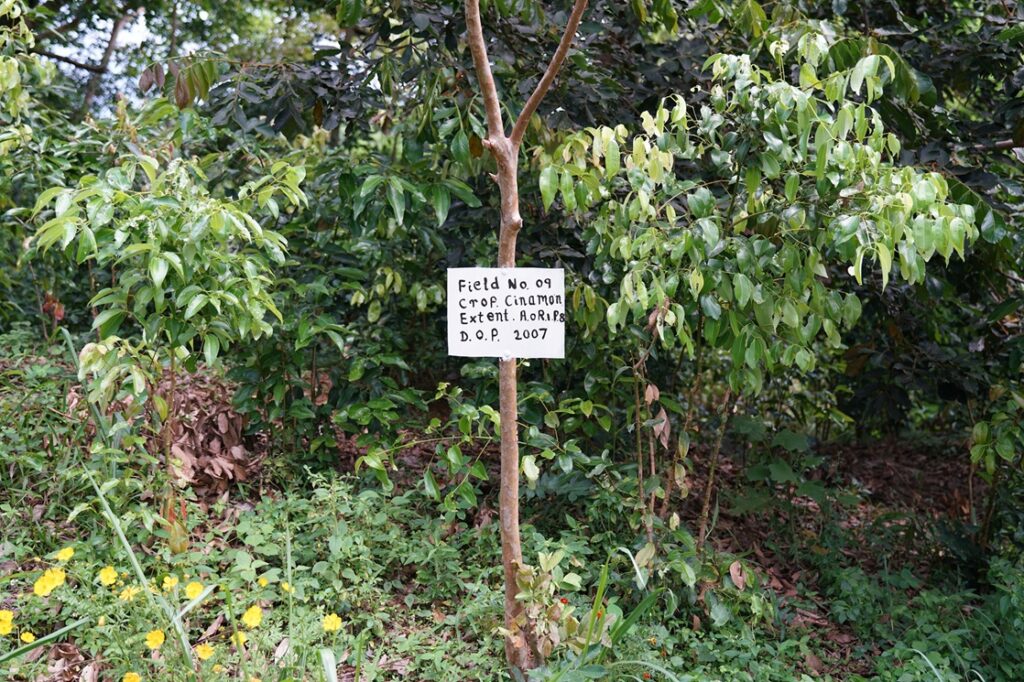
Are organic foods healthier?
With organic foods, you can be sure that artificial processing has been kept to a minimum. Organic foods tend to have higher mineral and vitamin content. No artificial chemicals are used in farming; no post-harvest chemicals are applied to plants and meat. They contain no hydrogenated fats, artificial additives, flavourings or preservatives. Put simply, organic food contains more of the good stuff we need, and less of the bad stuff that we don’t need. The way we see it is that with decent organic food when you read the ingredients on the label, you know what everything is and why they are in there, so there are no weird items that leave you wondering what are these things, what will they do to me.
What about the environment and being fair to farmers?
Organic producers, also, consider the environmental impact of food production and the welfare of their workers. Organic producers start with the idea that they are guardians of the land, respecting the environment, looking to preserve plant and animal species, nurturing the soil and keeping the air and water clean. For Steenbergs, a key factor in the way we work is respect for people. We have a strict policy that guarantees producers a fair market value for the goods they produce. We work closely with Steenbergs suppliers to ensure that both they and their workers are paid a fair wage, as well as being given decent levels of sanitation, power and education as a minimum.
Can I be sure that it really is organic?
Organic has a strict legal meaning in the UK and USA. So, all food or drink sold as organic within the UK must be produced according to UK and EU laws on organic production.
For the UK, this means that farmers, processors and importers must meet regulations set out by defra. So, all organic businesses in UK must be audited every year by a recognised organic certification agency and importers must obtain import authorisations for every non-UK product. Although it varies country-by-country, it means in essence that each movement of organic food needs a certified declaration that it meets UK law by a recognised certification body from where it leaves and the same shipment needs authorisation by UK Port Health when it enters the UK. Finally, when we get the spices, herbs and teas, we have third-party laboratory analysis of raw materials to check that they show no evidence of contamination from pesticides, heavy metals, colours, etc.
The core third party check on organic status is an annual organic audit of our internal traceability procedures that checks the flow of material from seed through importation to finished Steenbergs spice, herb, seasoning or tea. This chain of custody is primarily a documented system for product traceability throughout the farming, importing and manufacturing process, but also includes random testing of products for potential chemical contamination. In addition, our suppliers and Steenbergs itself must follow strict procedures on separation between organic and any non-organic spices and teas to prevent cross-contamination, as well as using cleaning materials approved for organic processing. We are registered and audited annually by Organic Food Federation.
For manufacturers, retailers and consumers, you can check whether our products are organic by the Organic Food Federation symbol and/or the wording GB-ORG-04 on our labels. The other common symbol is the Soil Association symbol and their tag line GB-ORG-05.
The impact of chemicals
But aren’t spices, herbs and teas organic anyway. Well unfortunately no, they are generally treated with chemical pesticides, fungicides and herbicides like all other agricultural plants.
Overall, 25,000 tonnes of pesticides are applied to crops in the UK every year and pesticides are recommended for use in pepper, spice, herb and tea farming. Indeed, we were asked to start importing ginger from the friend of someone highly respected in the UK that they had been using for some time, having been told that the ginger was grown organically. We were sent a sample and sent it off for testing and it was positively glowing with added chemicals that were 3 – 4 times the maximum pesticide residues for UK food. Our UK contact was left worrying what they’d been consuming quite happily beforehand.
Thinking about pepper, for example, it suffers from diseases like foot rot (quick wilt disease) which would be treated (under conventional spice growing) by metalaxyl mancozeb or Bordeaux mixture, or slow decline disease (slow wilt) is treated by carbofuran.
Likewise, tea has many diseases that could impact it, with tea diseases including blister blight, charcoal stump rot and nematodes, such Rotylenchulus reniformis. Treatment for these includes (under conventional tea growing) chemicals or copper sulphate treatment for blister blight and synthetic nematocides. Charcoal stump rot has no specific chemical treatment. For dieback by Fusarian solani treatment is recommended to be synthetic chemicals like carbendazim or hexaconazole.
However, of the 75,000 synthetic chemicals on the market only 10% have been rigorously tested with 30% having never been checked. But what is known is not great: Methyl bromide is used in many pesticides and as a fungicide for pepper, as well as for blanket fumigation of wooden pallets. Yet it is linked to the deaths of farmworkers in the developed and developing world, attacking the nervous system, as well as damaging lungs, kidneys and is linked to testicular cancer. It, also, damages the ozone layer. Irradiation may be used to sterilise herbs and spices under UK legislation, although it is not widely used. Where it is not used, ethylene oxide is often used. Ethylene oxide is a known genotoxic carcinogen, which has been banned in Australia for use on herbs and spices.
In the USA, farmers apply over 14 million tonnes of man-made nitrogen and phosphorus fertilizers to their fields, but only 20% is actually absorbed in plant tissue. The rest runs off into our rivers and seas, where it can cause nitrate poisoning in humans, as well as algal blooms that can kill aquatic life and pollute drinking water supplies.