Your cart is currently empty.
About Spices
Spices cast a spell on our imagination. They flatter our senses: our eyes with their vibrant colours; our nose with their enticing fragrances; and our mouth with their distinct flavours.
Herbs, Spices and Seasonings are the inspiration that lets our creative juices flow. They are the flavour palette that allows us to create infinite dishes, with different spices or herbs defining the individuality of every chef and different regional cuisines.
Herbs, Spices and Seasonings are the inspiration that lets our creative juices flow. They are the flavour palette that allows us to create infinite dishes, with different spices or herbs defining the individuality of every chef and different regional cuisines.
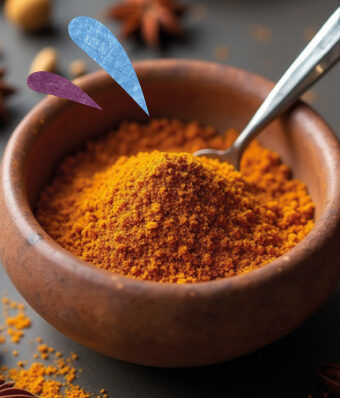

Nature provides a vast range of plants that give us herbs and spices with an incredible array of colours, textures, aromas and flavours to add interest and depth to our food. Paprika and turmeric, as examples, not only give their distinctive mild heat and earthy flavours but also the pinky red of paprika and the ochre of turmeric. Steenbergs gives you the best, the purest and least adulterated of nature's ingredients, packed full of total flavour - that's our mission.
The many and varied flavours in spices are held in the volatile oils that naturally occur in spices. Some of these flavours are apparent in the fresh spice, for example in ginger. Other spices either change or only develop their true flavour on drying.
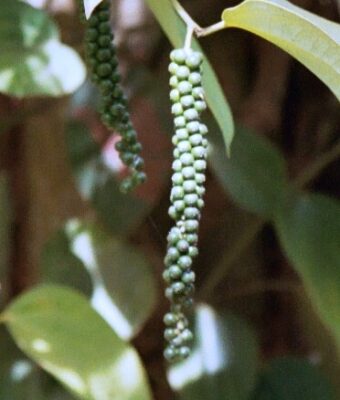
So, peppercorns are picked green, unripe. Then, an enzyme reaction occurs upon drying that turns them black and creates the pepper flavour we all know so well. Indeed, green pepper, black pepper, white pepper and red pepper are all the same berry from the Piper nigrum vine, with the differences in look and flavour arising from differences in harvesting time and methods of processing.
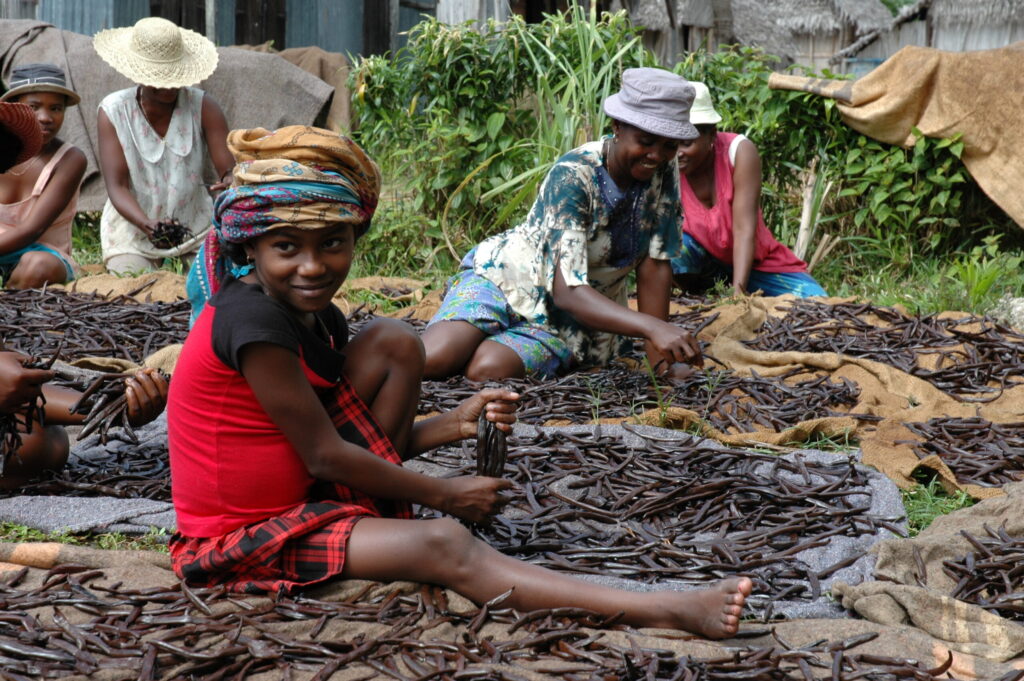
Another dramatic example is vanilla, a green tasteless bean that grows on a tropical climbing orchid. It is only after drying and curing that vanilla develops its rich flavours as the enzyme reactions take place to form the distinctive vanilla flavour.

'O. mickle is the powerful grace that lies in herbs, plants, stones, and their true qualities.' (Romeo and Juliet, Act 2, Scene 3, 15)

Spices can be grouped into five basic categories, being sweet, pungent, tangy, hot, and amalgamating. The way we use these and the amounts we put into cooking are governed by these characteristics. Examples of the different types of spices are:
- Sweet: cinnamon, allspice, nutmeg, vanilla
- Pungent: cloves, star anise, cardamom
- Tangy: ginger, tamarind, sumac
- Hot: pepper, chili, mustard, horseradish
- Amalgamating: coriander seed, fennel seed
Most herbs (such as thyme, sage, marjoram, oregano, bay leaves, mint and rosemary) are savoury. While herbs do have varying degrees of flavour intensity, this is not as dramatic as with spices.
When you have a basic understanding of the various herb and spice flavours and how they complement different foods, you can use your own creativity and taste instincts to experiment with a whole range of combinations.
To start, use a recipe that sets out the specific quantities of each spice, smell it as you add it and be conscious of the contribution it is making to the recipe. When you eat the meal, think of the spices you added and see if you can recognise them in the final taste. You will be surprised at how quickly your awareness of the spices used will develop.
Alternatively, you can experiment by adding spices to familiar dishes. This is especially handy if you’re really busy and have a lot of favourite meals, but want to create lots of variations on familiar themes. As you tweak tried and tested dishes, think of the flavour you would like to achieve and then use spices from one or more of the five basic categories to create your own taste sensation!
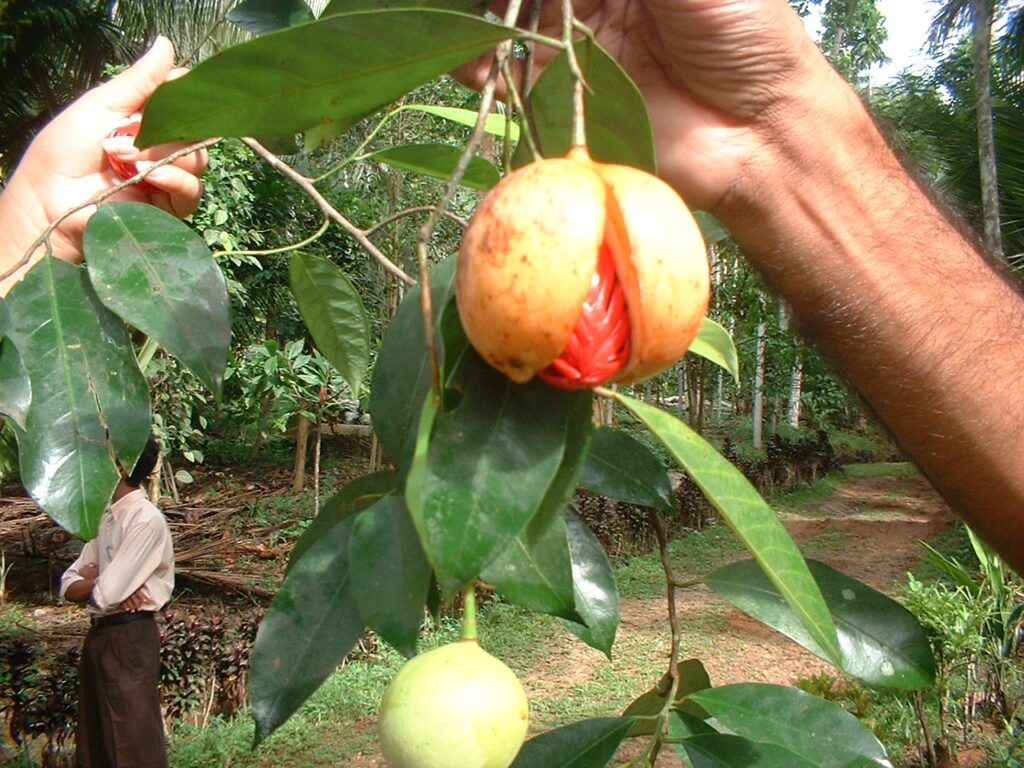
'Take thou also unto thee principal spices, of pure myrrh five hundred shekels, and of sweet cinnamon half so much, even two hundred and fifty shekels, and of sweet calamus two hundred and fifty shekels, And of cassia five hundred shekels, after the shekel of the sanctuary, and of oil olive an hin: And thou shalt make it an oil of holy ointment, an ointment compound after the art of the apothecary: it shall be an holy anointing oil.' (Exodus 30: 23-25)