Your cart is currently empty.
Our Impact
When Sophie and Axel started Steenbergs, it was important for the business to have respect for the planet was at its core. We still work with as small a footprint as possible with organic farming central. Sustainability is who we are rather than a passing sales opportunity or balanced against profitability.

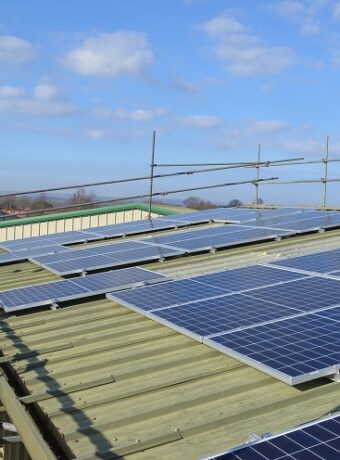
Carbon Costs are Steenbergs biggest direct impact, mostly from energy. Our commitment is to reach net zero by 2030. Steenbergs has solar panels on both units which covers a large chunk (42%) of our energy use. For the balance, we purchase zero carbon energy from Octopus Energy. Octopus generates electricity mainly from renewables (86%) plus some from nuclear (14%).
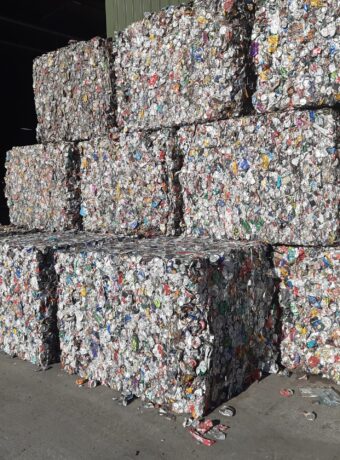
Waste is Steenbergs next largest direct impact. None of our waste has gone to landfill since 2010. 60% is recycled with 40% going waste-to-energy at Allerton Park Waste Recovery. We generate about 6 tonnes of waste annually. Our products create about 48 tonnes of waste, of which three-quarters is the glass and metal of our packaging - we choose glass because it's genuinely recyclable and try to minimise the use of plastic.
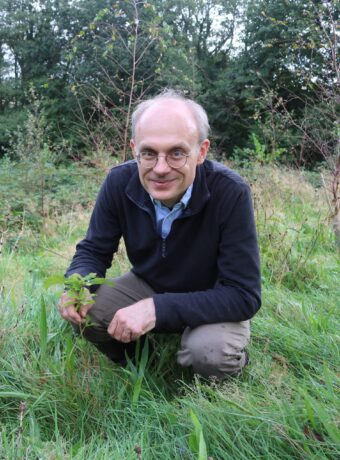
Having achieved carbon neutrality for energy, we're moving onto addressing transport. Our parcels go either with Royal Mail or DPD, with Royal Mail the lowest carbon footprint of all packages in the UK and DPD is carbon zero. Total emissions from Royal Mail parcels was 2 tonnes CO2 in 2025 and zero for DPD. Now, we're calculating the cost of palletised transport.
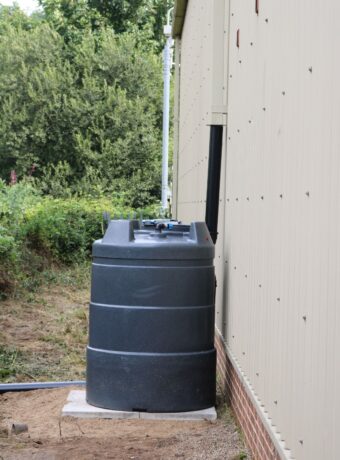
Water is the other key area for Steenbergs. We use slightly over 100,000 litres every year. We have brought this down through installing rainwater harvesting in one of factory units and are putting it into the other one. This has reduced water use by 15% since 2016.
Simply managing Steenbergs in an environmentally better, the corporatist way, was not enough for us and we wanted positively to impact the environment. Our chosen route is a new woodland here in the UK, because to do nothing is not an option. A new wood answers how we can go beyond reducing our environmental impacts - it addresses carbon costs, air pollution, water pollution, flooding, biodiversity loss and land use changes. Our wood is on 50 acres of former farmland in Carmarthenshire. Half has been planted with with 30,000 new trees, which will sequester about 12,500 tonnes of carbon dioxide over this 100-year project. It reverses historic land use changes by reverting pasture for dairy and sheep to woodland and keeps coal in the ground as it sits above coal reserves.

'Earth is not only our common heritage, it is also the source of life.' (The Dalai Lama)
