Your cart is currently empty.
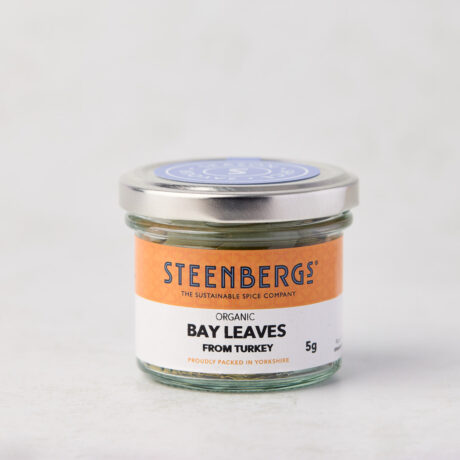
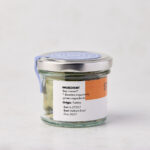
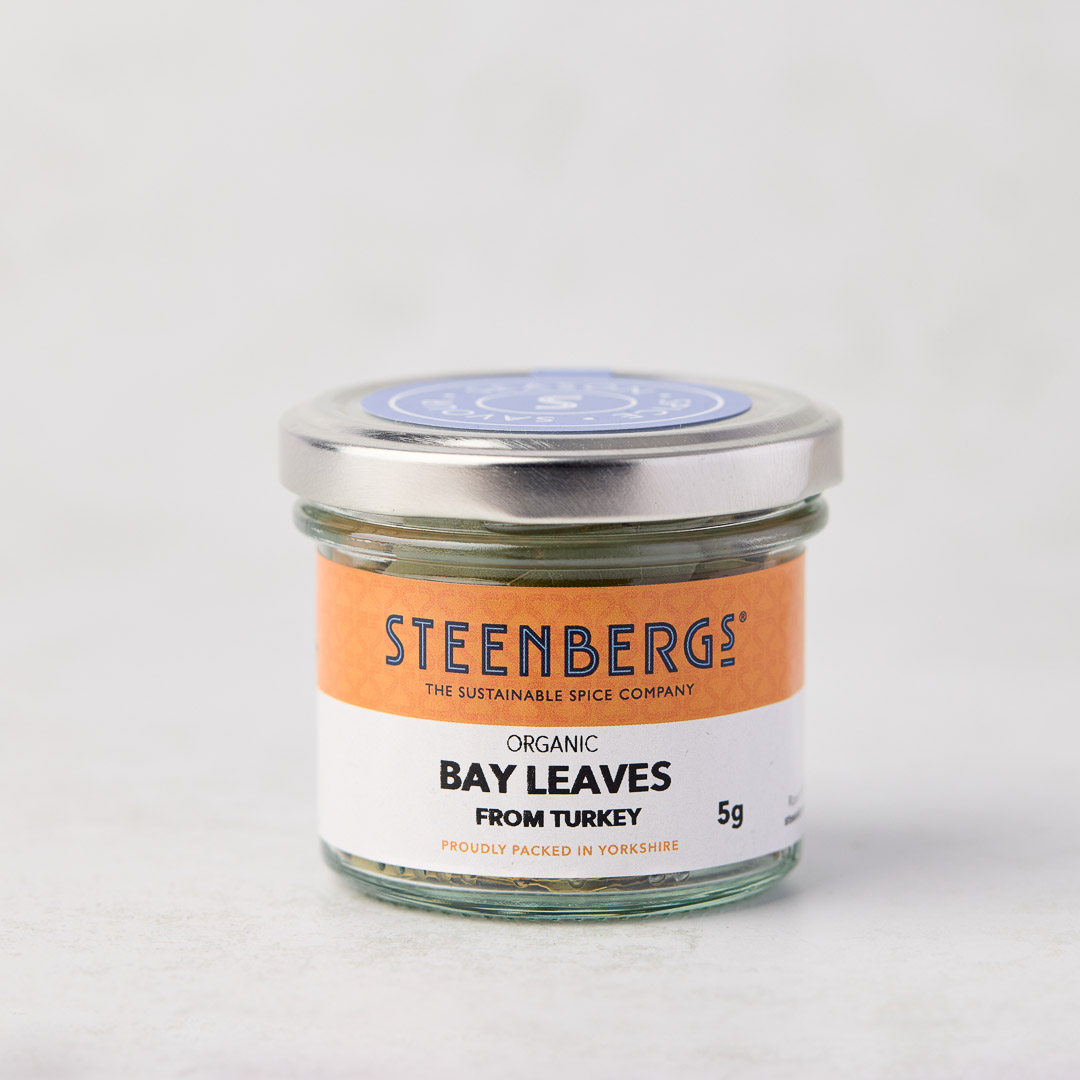
Steenbergs Organic Bay Leaves
Product Description
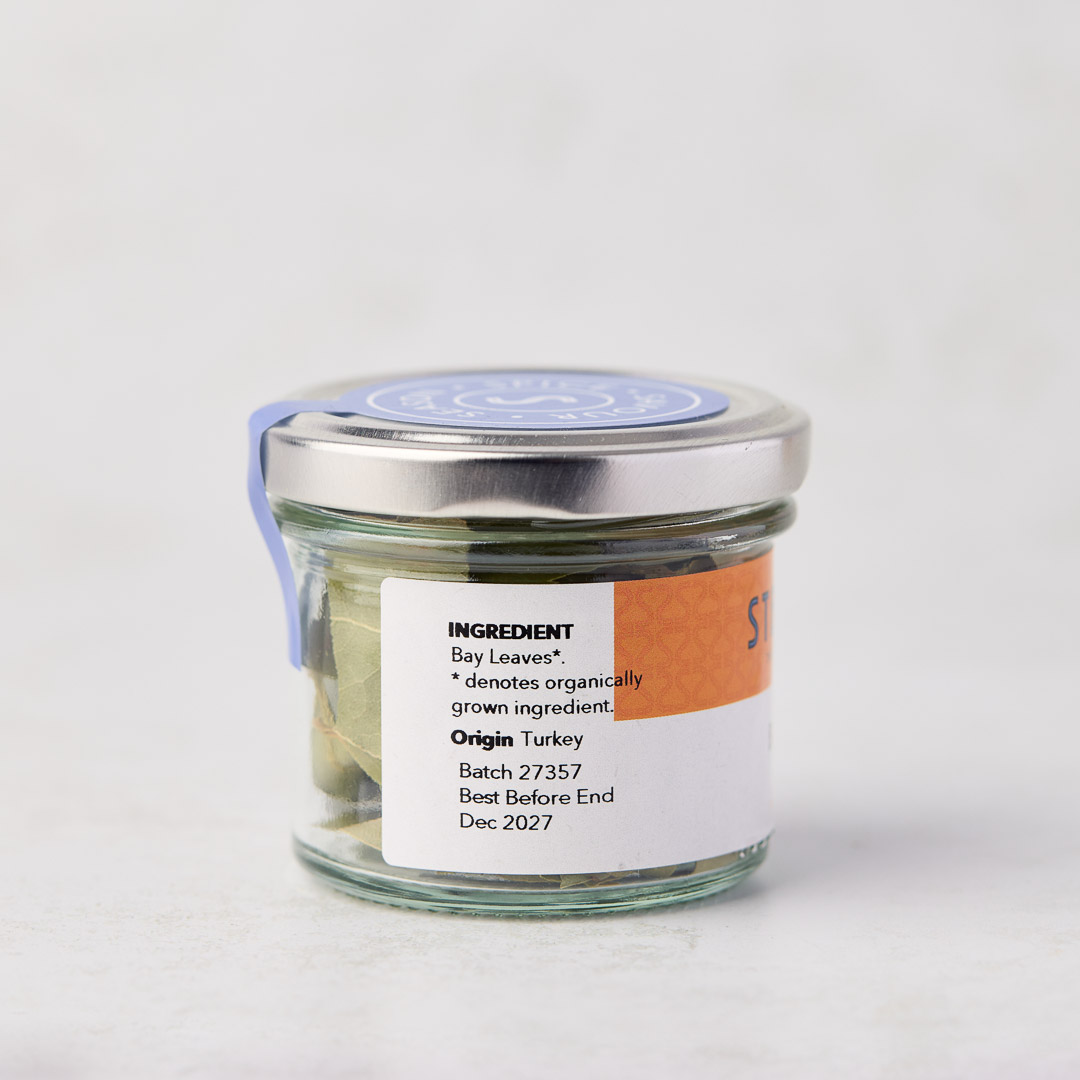
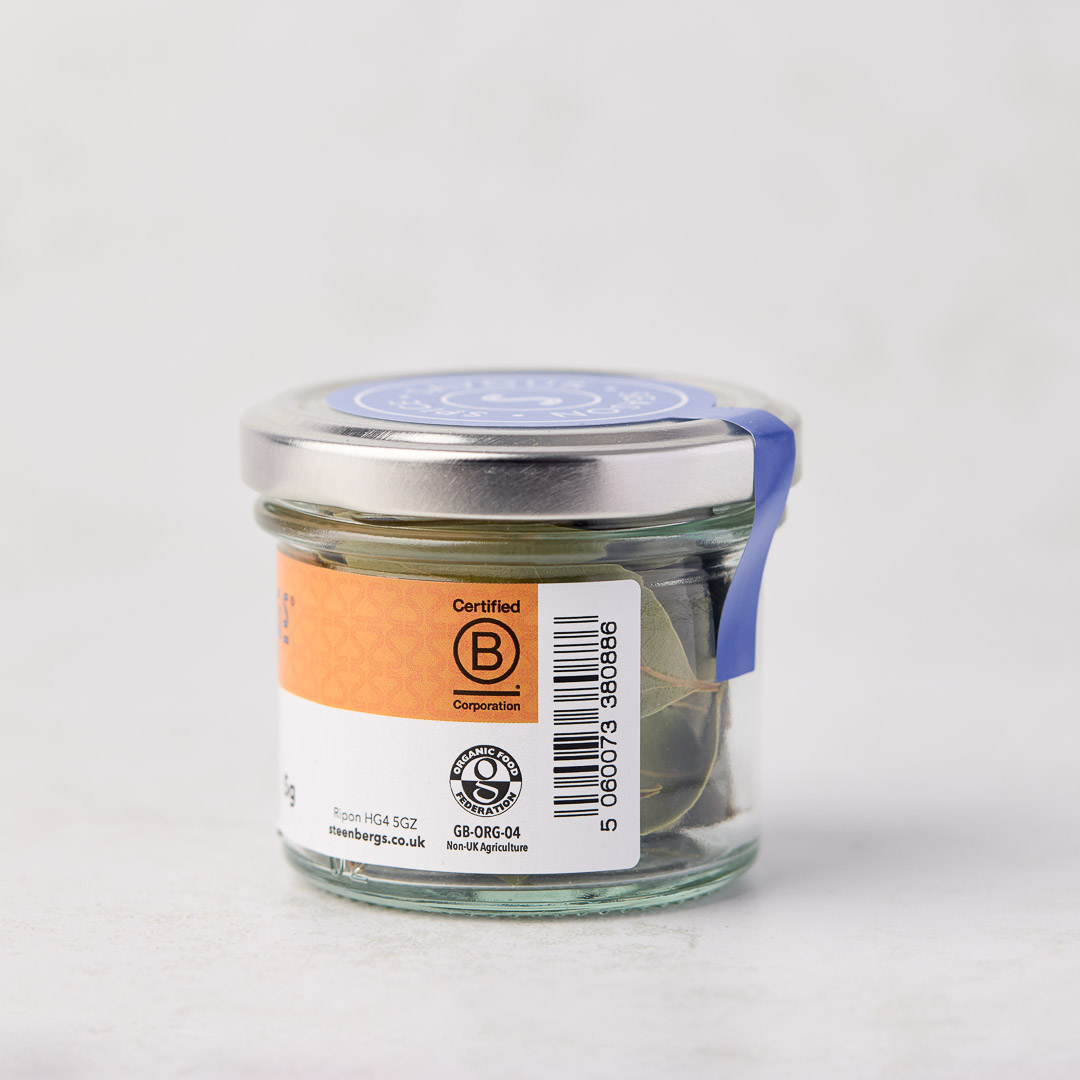
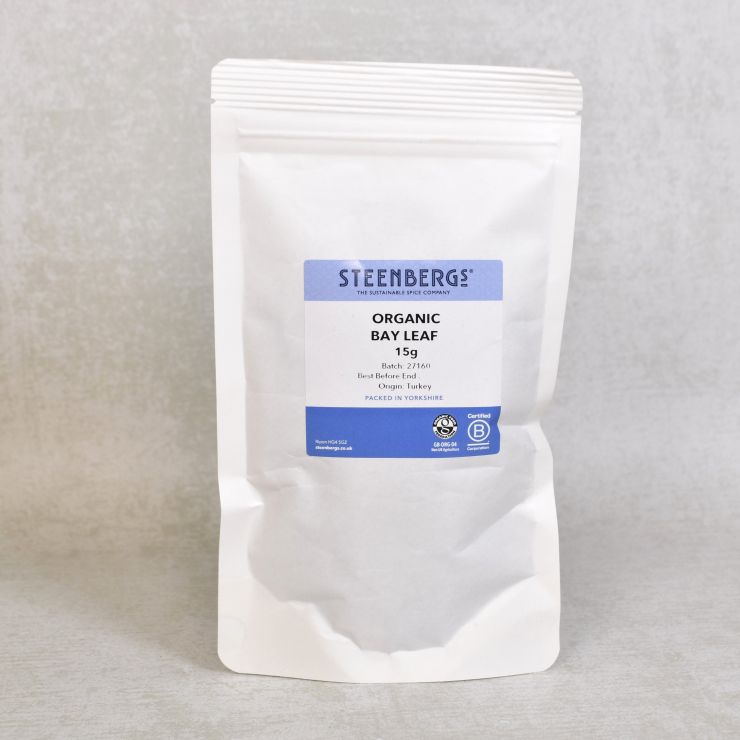
Organic Bay Leaves are whole green leaves with an aromatic flavour. They are excellent in slow-cooked meat and vegetable dishes, soups, vegetables and pasta sauces.
Steenbergs sources premium, hand-sorted organic Bay Leaves that are hand sorted and packed in North Yorkshire to optimise their flavour.
Fresh bay leaves are good, but dried is better because they are less bitter and their aromatic flavours are more intense.
Bay leaves are excellent in spaghetti and pasta sauces, casseroles and chicken soup. Use 2 Bay Leaves per litre of sauce or add 2 Bay Leaves to uncooked rice for an aromatic rice. They also improve the flavour of salt-free dishes with their rich aromas.
More about Bay Leaves
Bay comes from the bay tree, Laurus nobilis, a member of the laurel family native to the Mediterranean. It is relatively easy to grow in a pot or the garden throughout Europe – we have 2 trees in our garden and they overwinter here in North England without too many problems. Bay trees can grow up to 15m high.
The highly aromatic leaves are a dark green colour with a glossy top. They are about 5 cm in length and are very stiff and brittle. They are harvested by hand and then dried in trays under slight pressure to prevent curling.
In ancient times, bay leaves made the wreath for poets and heroes and were the victor’s crown in the Olympic Games of ancient Greece, as well as being the traditional crown of the Roman Emperors. The Greeks and Romans dedicated bay to Apollo and Aesculapius, the God of Medicine. It was an important symbol of success and achievement, so that when a bay tree died it was thought a disaster was on the way.
Turkish Bay Leaves are the best in the world. They have a natural depth of flavour that few can hope to match. It grows wild on the hilly mountains of western Turkey in the area around Izmir.
The wind there is perfect for growing bay leaves. Most of the year the wind comes out of the west across the Mediterranean and Aegean seas, picking up moisture and dropping it on the growing trees. At the end of the summer the wind changes direction and comes from the south. Before it reaches the hills around Izmir it passes over a couple of mountain ridges, making it hot and dry, perfect for quickly drying the leaves with a minimum of flavour loss.
Ingredients
Bay*
* Organic. Allergens marked in bold.
Nutritional Information
| Nutrient | Per 100g | Per Serving (0.2g) |
|---|---|---|
| Energy | 371.0 kcal / 1577.0 kJ | 0.7 kcal / 3.2 kJ |
| Fat | 3.7 g | 0.01 g |
| (of which saturates) | 0.0 g | 0.0 g |
| Carbohydrates | 77.6 g | 0.2 g |
| (of which sugars) | 7.0 g | 0.01 g |
| Protein | 1.1 g | 0.00 g |
| Salt | 0.2 g | 0.00 g |
| Nutrient | Per 100g |
|---|---|
| Energy | 371.0 kcal / 1577.0 kJ |
| Fat | 3.7 g |
| (of which saturates) | 0.0 g |
| Carbohydrates | 77.6 g |
| (of which sugars) | 7.0 g |
| Protein | 1.1 g |
| Salt | 0.2 g |
| Nutrient | Per Serving (0.2g) |
|---|---|
| Energy | 0.7 kcal / 3.2 kJ |
| Fat | 0.01 g |
| (of which saturates) | 0.0 g |
| Carbohydrates | 0.2 g |
| (of which sugars) | 0.01 g |
| Protein | 0.00 g |
| Salt | 0.00 g |
Storage
Store in a cool, dark place.
Recycling
Glass: Reuse, Widely Recycled. Metal Lid: Reuse, Widely Recycled. To remove the labels: the best way is to apply heat with a hairdryer and then they peel off. Bag: Recycle as paper.