Your cart is currently empty.
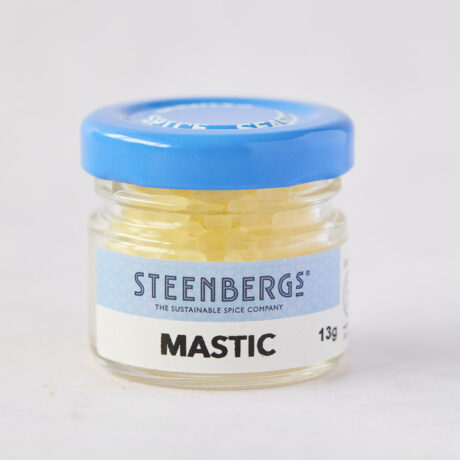
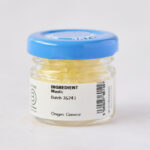
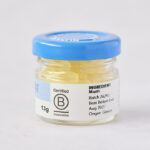
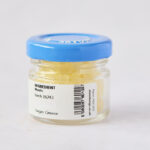
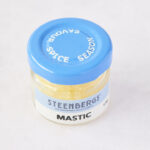
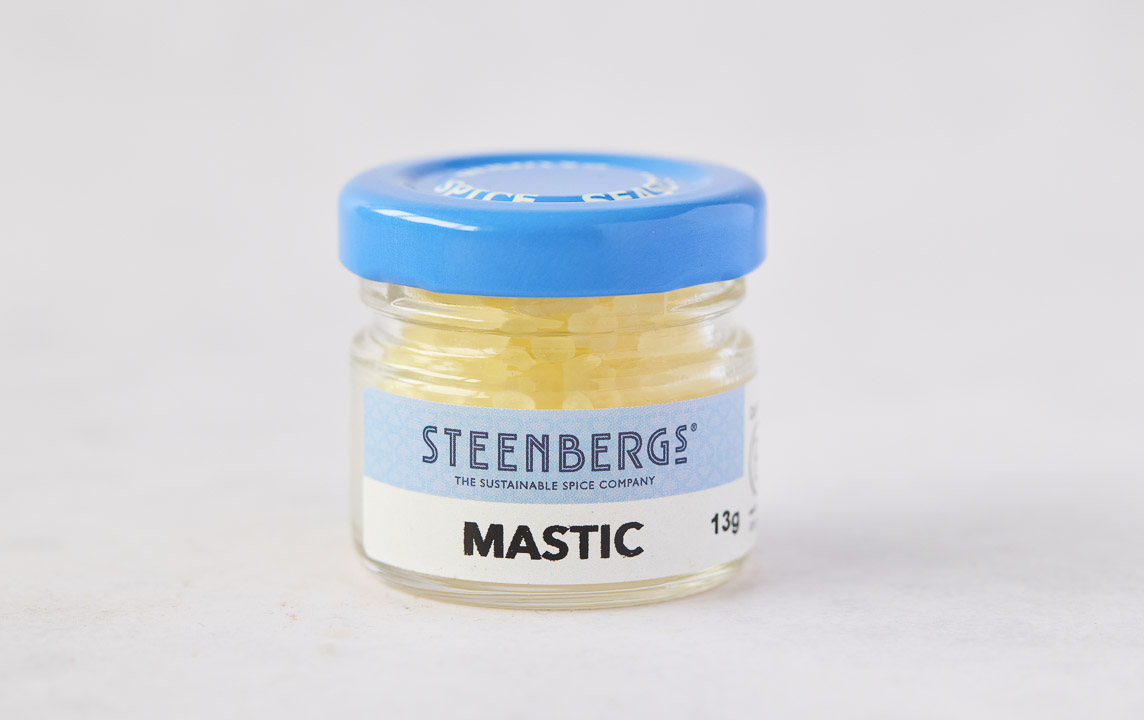
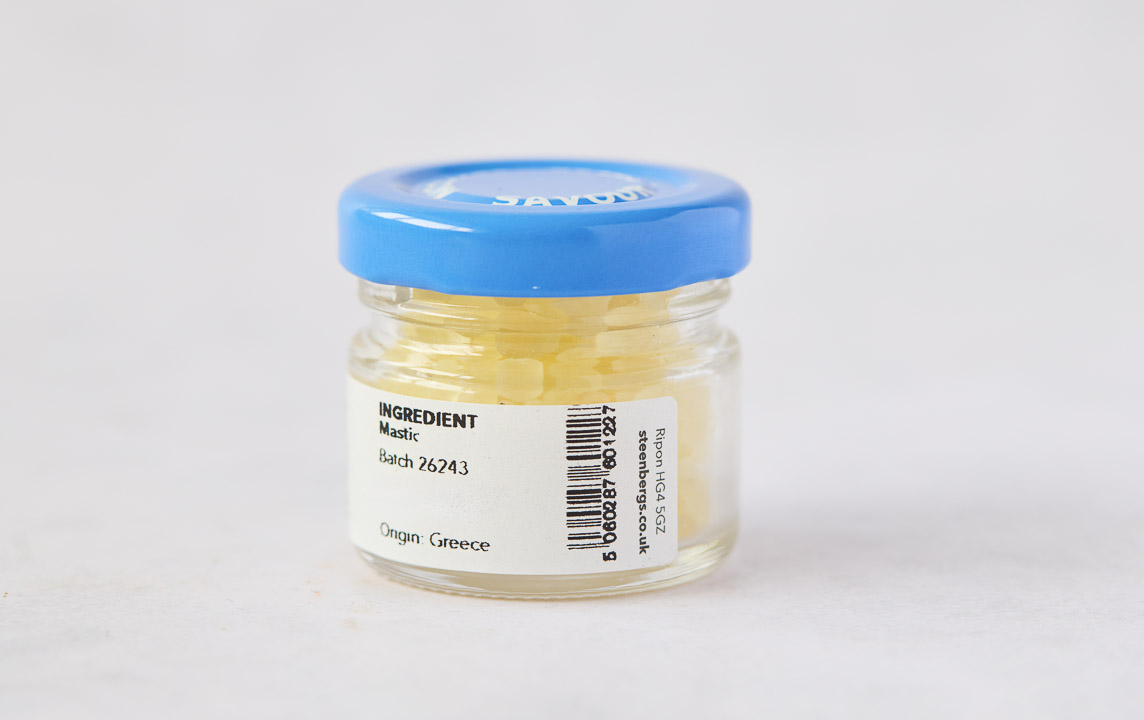
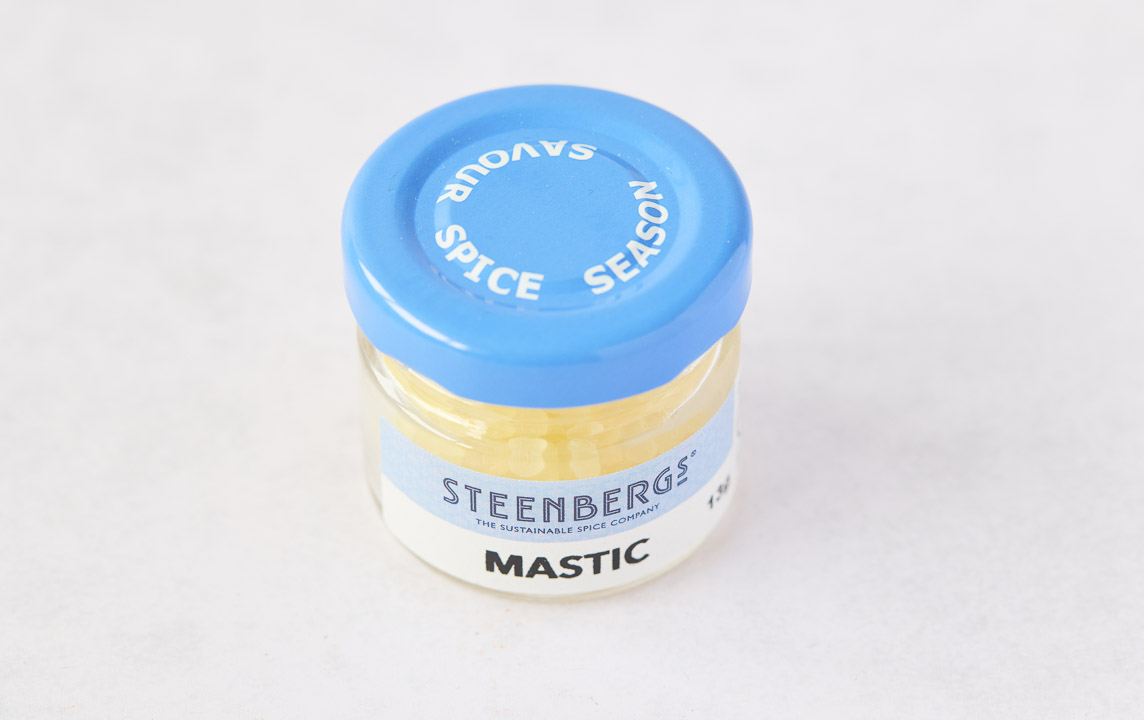
Steenbergs Mastic
Mini Jar 13g
£5.25 £48.46/100g
12 in stock

Product Description
Mastic is a specialist spice. It is a dried gum from the gum mastic tree. Mastic is slightly chewy and has a mild resinous flavour. It’s a flavouring in many traditional Mediterranean recipes – the Greek Easter bread, tsoureki, or Turkish delight.
It comes from the mastic plant that’s grown on the Island of Chios in Greece. It is a protected product. We buy directly from the only source – The Chios Mastiha Growers Association.
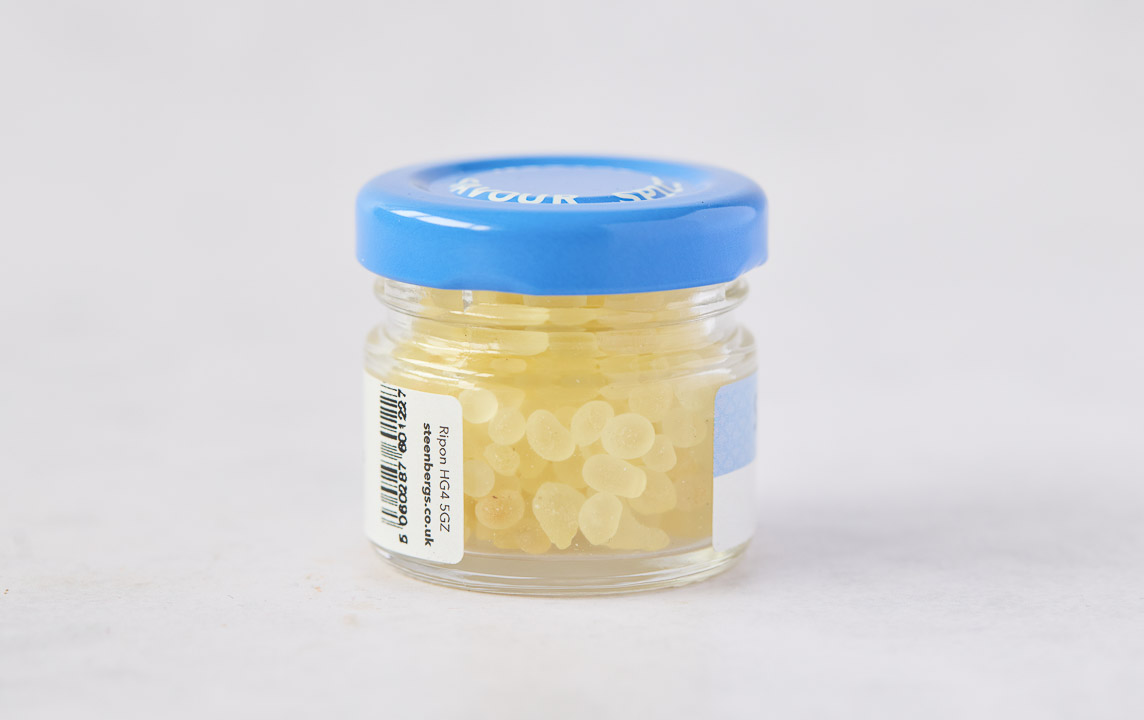
Tears of mastic come from this plant. The grade we use is ‘Small Tears Number 3’. They were used as one of the original chewing gums, which is where the name comes from – as in ‘to masticate, chew’. The tears are chewy in a crunchy rather than chewy gum way and have cleansing taste akin to furniture polish, which is bizarrely pleasing.
Axel’s Tasting Notes: Gum mastic has a flavour that is bitter and mineral-like that becomes more neutral after a few minutes of chewing, keeping its freshening flavour even after 15 or more minutes.
Gum mastic is found in: liqueur (mastiko), sweets (Turkish delight; ypovrichio ‘submarine sweets’), baked goods (tsoureki), puddings (samali). Also, found in the traditional spice rub for doner kebabs.
More about Mastic
The gum mastic tree, Pistacia lentiscus, comes traditionally from the Greek island of Chios. The gum mastic tree is a slow-growing, hardy evergreen that is normally 2 – 3 metres high.
Gum mastic trees start production when 5 – 6 years old and can be used for production for 70 years.
The mastic tree has shiny, dark-green leaves, with a rough trunk which exudes a resin when tapped. This resin is gum mastic.
Harvesting takes place between July and October, when the trunks are cut diagonally and the resin oozes out. The resin is collected, washed, cleaned and then laid out to dry.
Gum mastic is usually sold as tears, or small pieces, of 2 – 3 mm in size, with a brittle texture and a faint pine-like aroma.
Mastic is a cooking ingredient and is not suitable for use in other ways. We do not recommend daily ingestion and it should not be used in greater amounts than 1 g in a day. Should you have any reaction from eating mastic, you must stop eating it immediately and seek medical advice from a suitable professional.
Ingredients
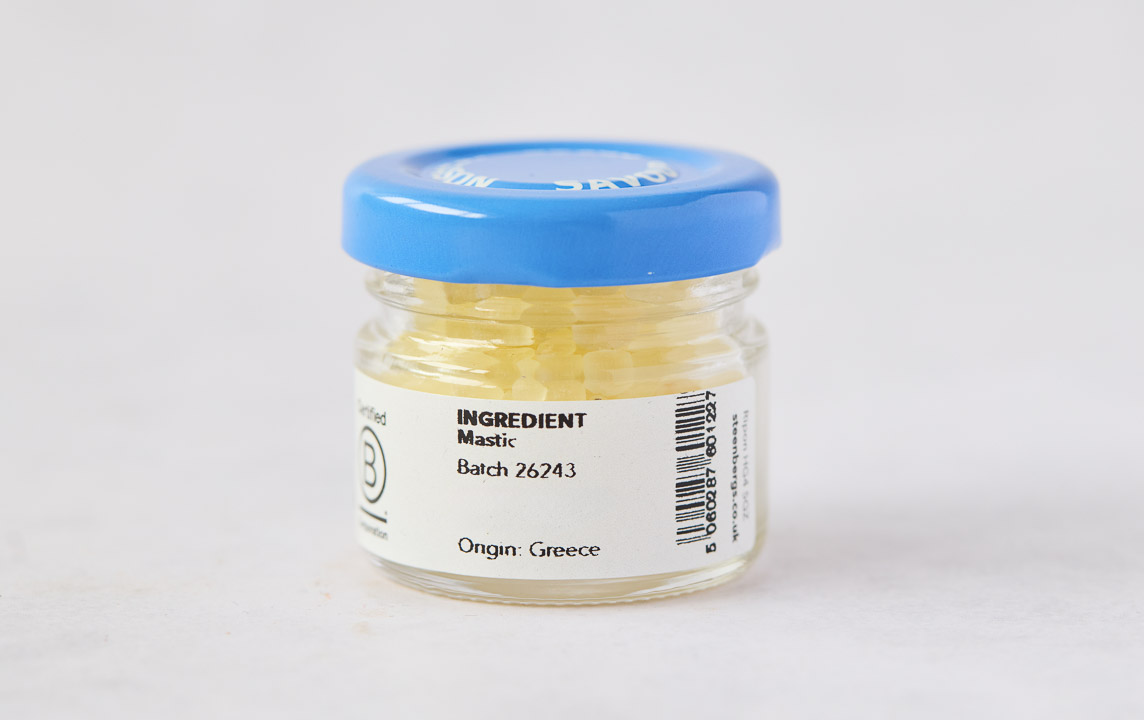
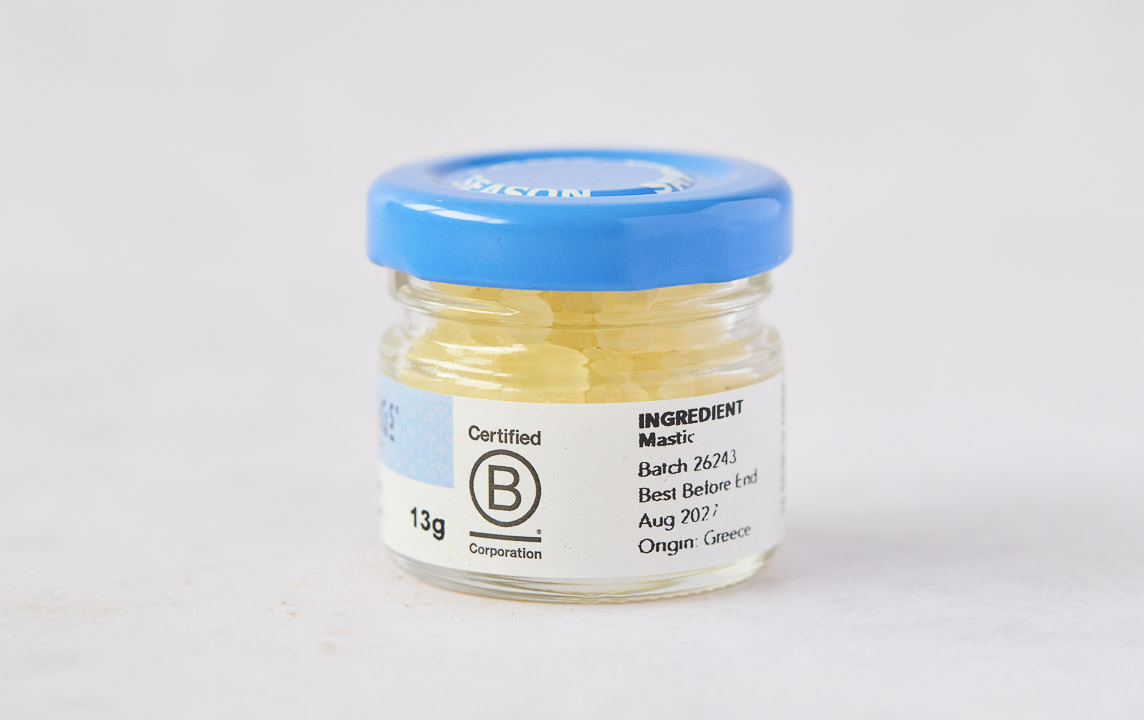
Mastic
Allergens marked in bold.
Nutritional Information
| Nutrient | Per 100g | Per Serving (1.0g) |
|---|---|---|
| Energy | 406.0 kcal / 1721.0 kJ | 4.1 kcal / 17.2 kJ |
| Fat | 0.0 g | 0.0 g |
| (of which saturates) | 0.0 g | 0.0 g |
| Carbohydrates | 94.7 g | 0.9 g |
| (of which sugars) | 0.0 g | 0.0 g |
| Protein | 0.7 g | 0.01 g |
| Salt | 0.0 g | 0.0 g |
| Nutrient | Per 100g |
|---|---|
| Energy | 406.0 kcal / 1721.0 kJ |
| Fat | 0.0 g |
| (of which saturates) | 0.0 g |
| Carbohydrates | 94.7 g |
| (of which sugars) | 0.0 g |
| Protein | 0.7 g |
| Salt | 0.0 g |
| Nutrient | Per Serving (1.0g) |
|---|---|
| Energy | 4.1 kcal / 17.2 kJ |
| Fat | 0.0 g |
| (of which saturates) | 0.0 g |
| Carbohydrates | 0.9 g |
| (of which sugars) | 0.0 g |
| Protein | 0.01 g |
| Salt | 0.0 g |
Storage
Store in a cool, dark place.
Recycling
Glass: Reuse, Widely Recycled. Metal Lid: Reuse, Widely Recycled. To remove the labels: the best way is to apply heat with a hairdryer and then they peel off.
You may also like…
-
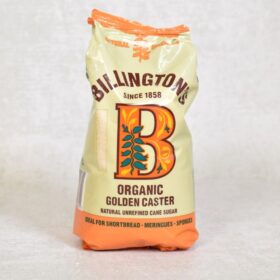 Billingtons
Billingtons Organic Caster Sugar
500 g£2.95 Add to bag This product can be to the cart here or from the product itself. -
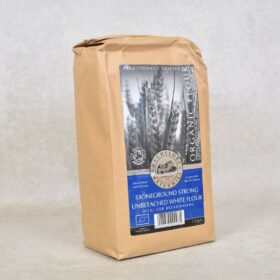 Bacheldre
Bacheldre Organic Strong White Flour
1.5 kilo£3.45 Add to bag This product can be to the cart here or from the product itself. -
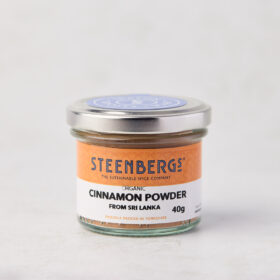 Steenbergs
Steenbergs Organic Cinnamon Ground
Price range: £3.20 through £15.50 This product has multiple variants. The options may be chosen from the dropdown above or from the product itself. -
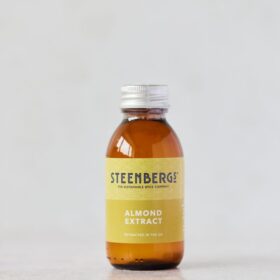 Steenbergs
Steenbergs Natural Almond Extract
Price range: £8.50 through £11.50 This product has multiple variants. The options may be chosen from the dropdown above or from the product itself.