Your cart is currently empty.
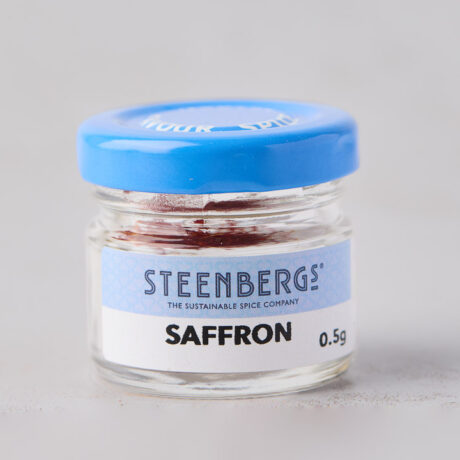
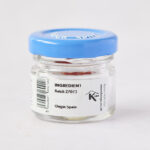
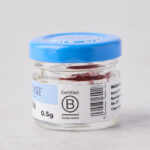
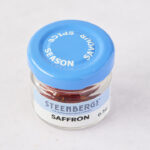
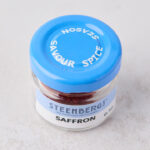
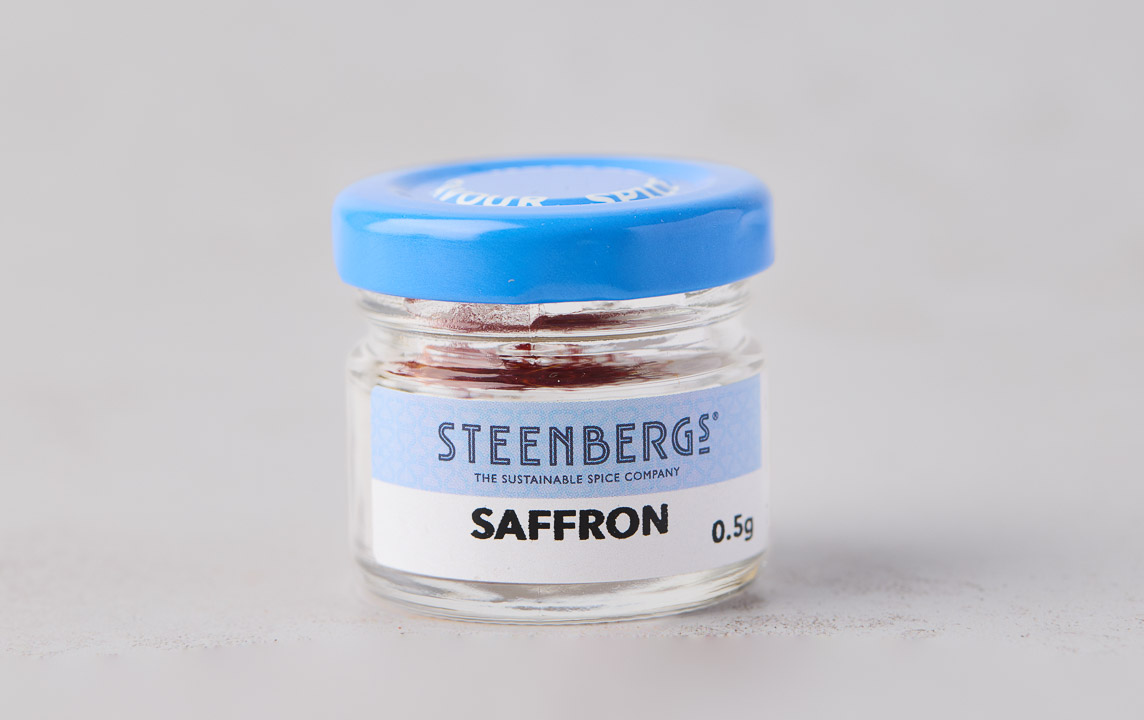
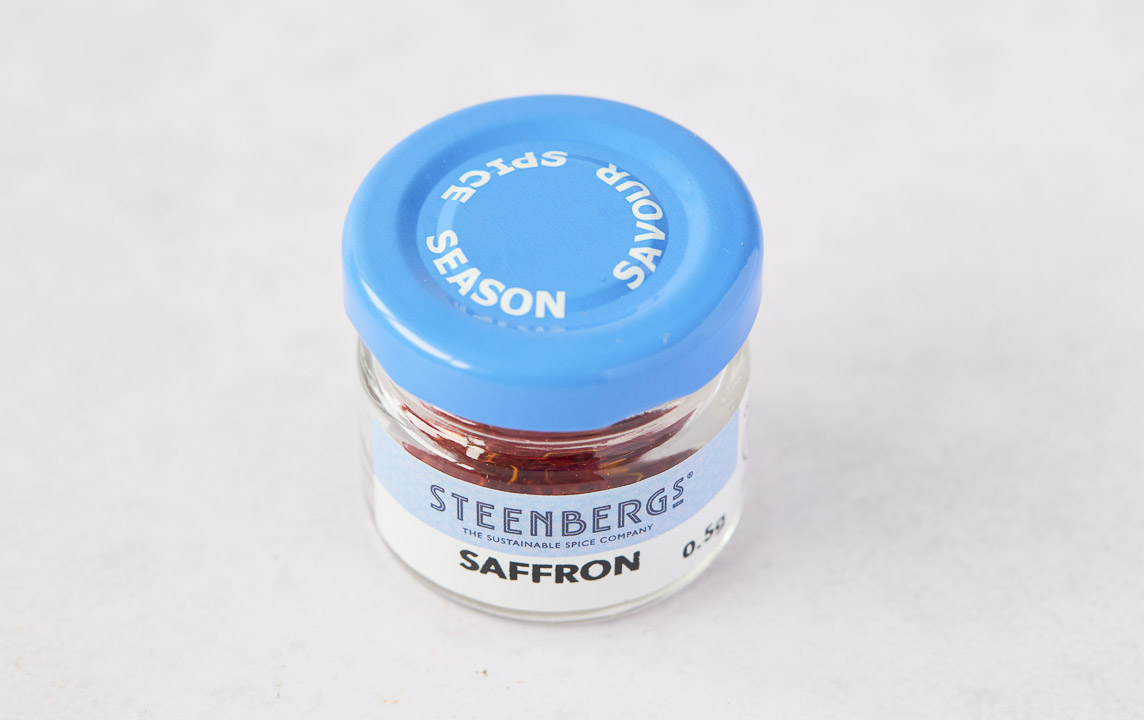
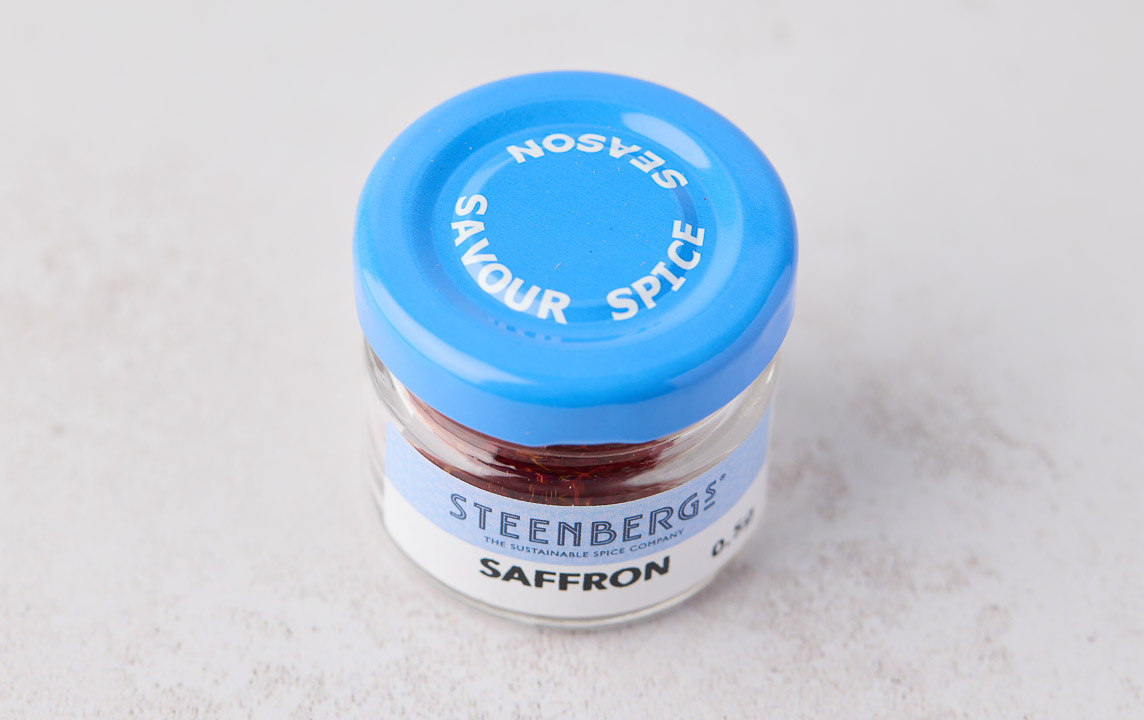
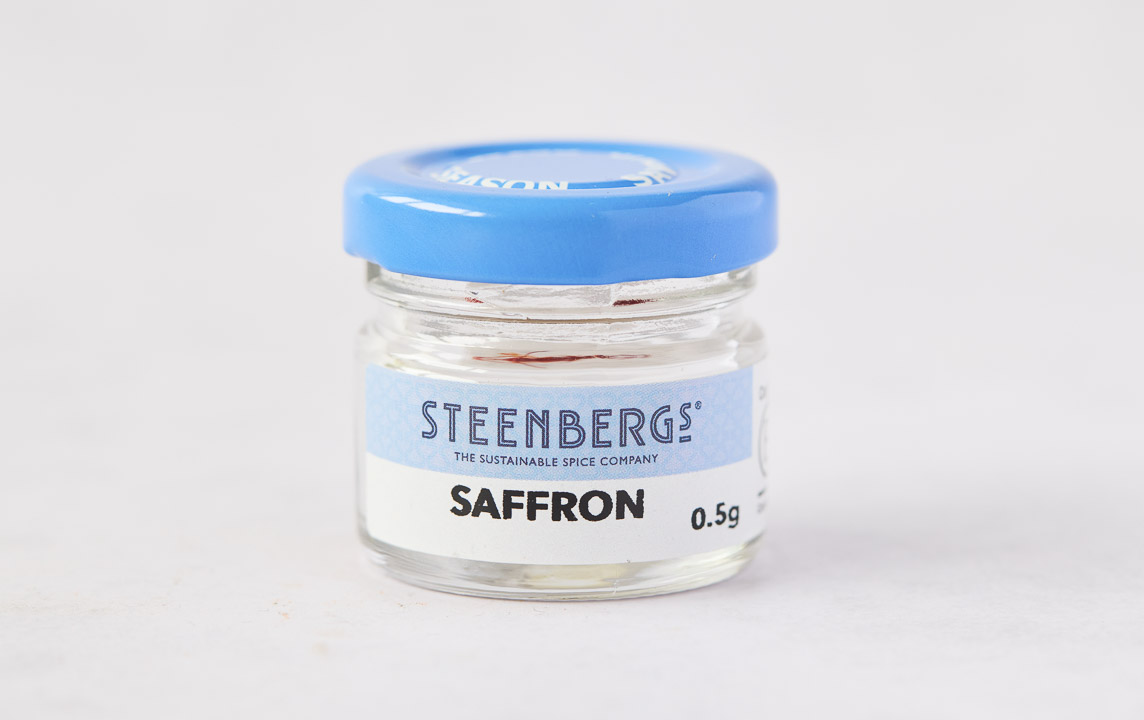
Steenbergs Saffron
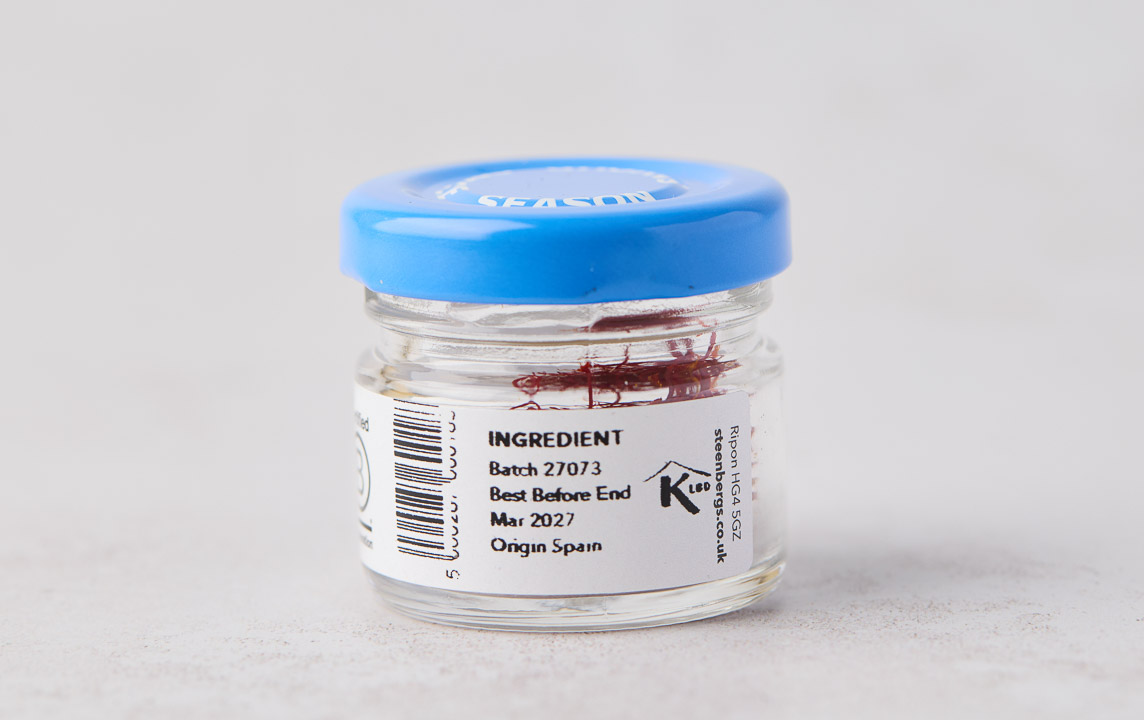
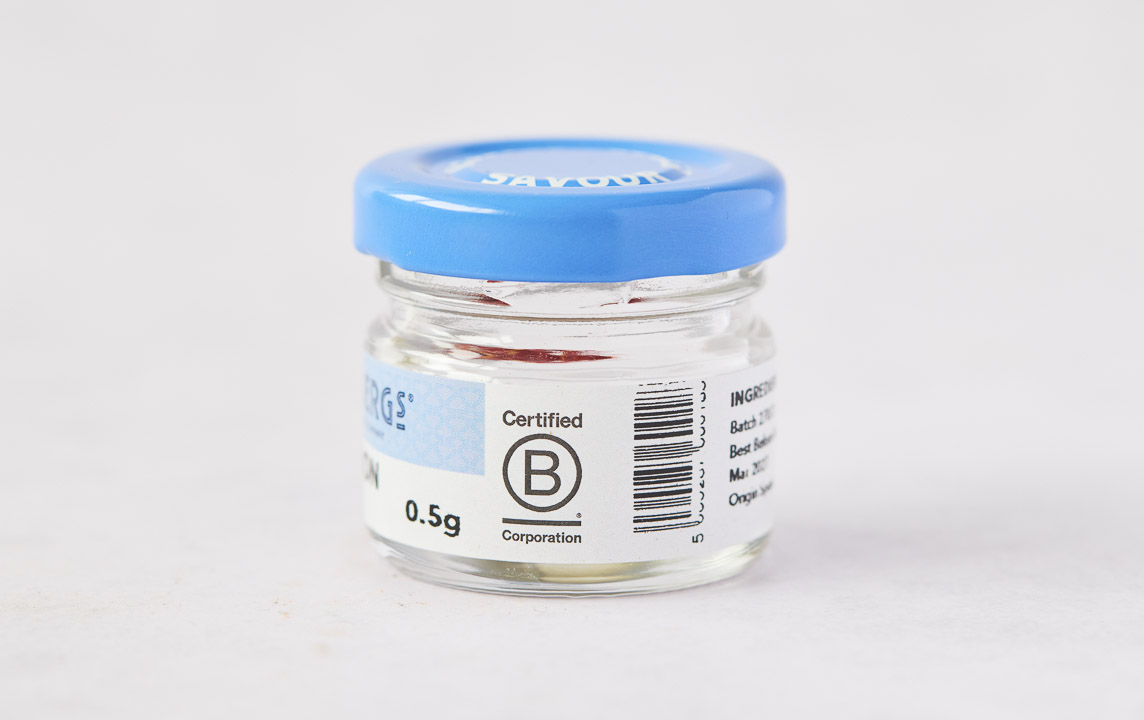
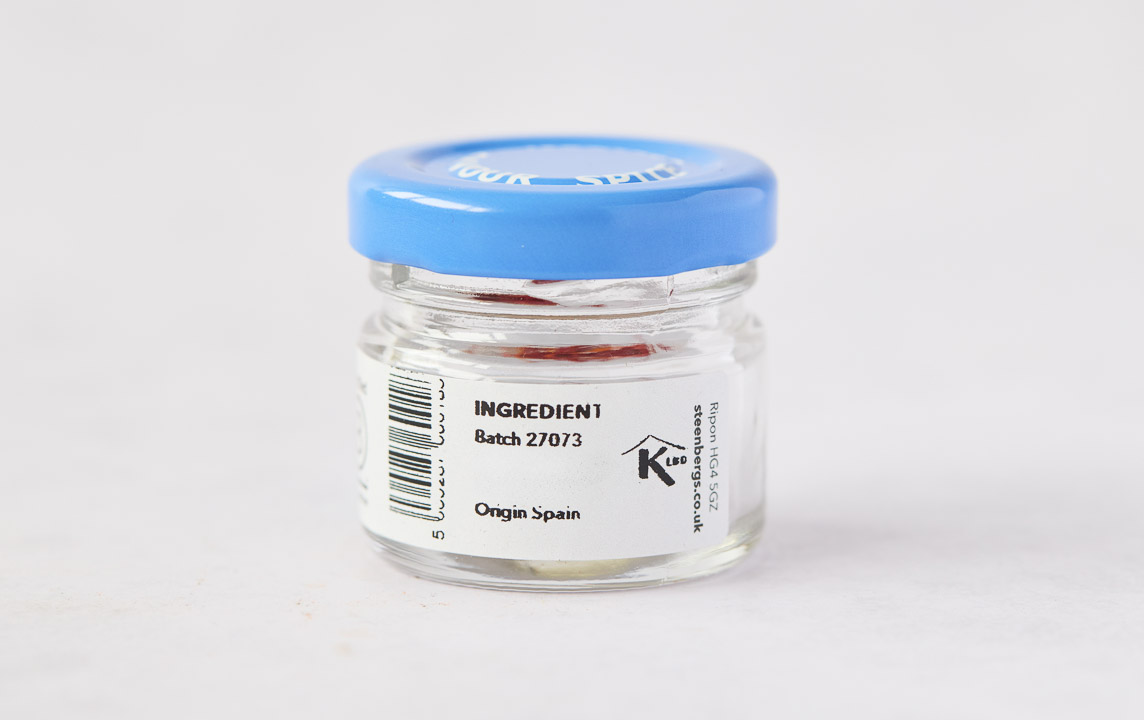
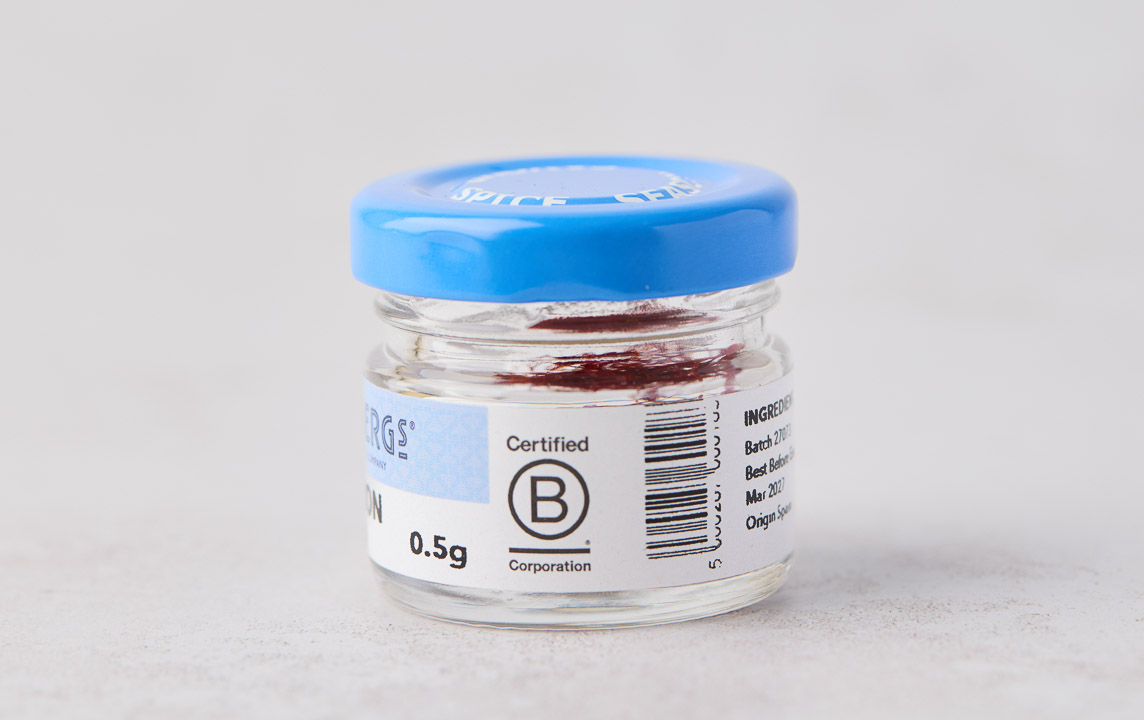
Mini Jar 0.5g
£3.00 £600.00/100g
12 in stock
Product Description
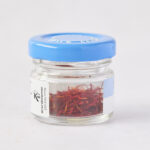
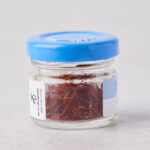
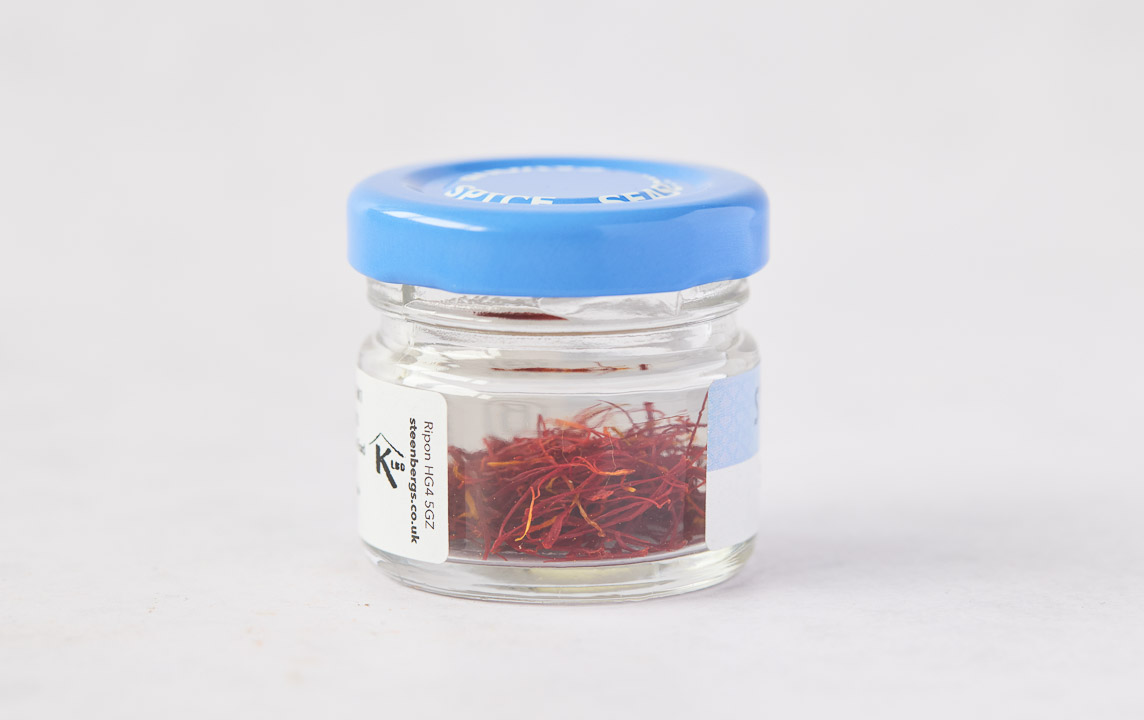
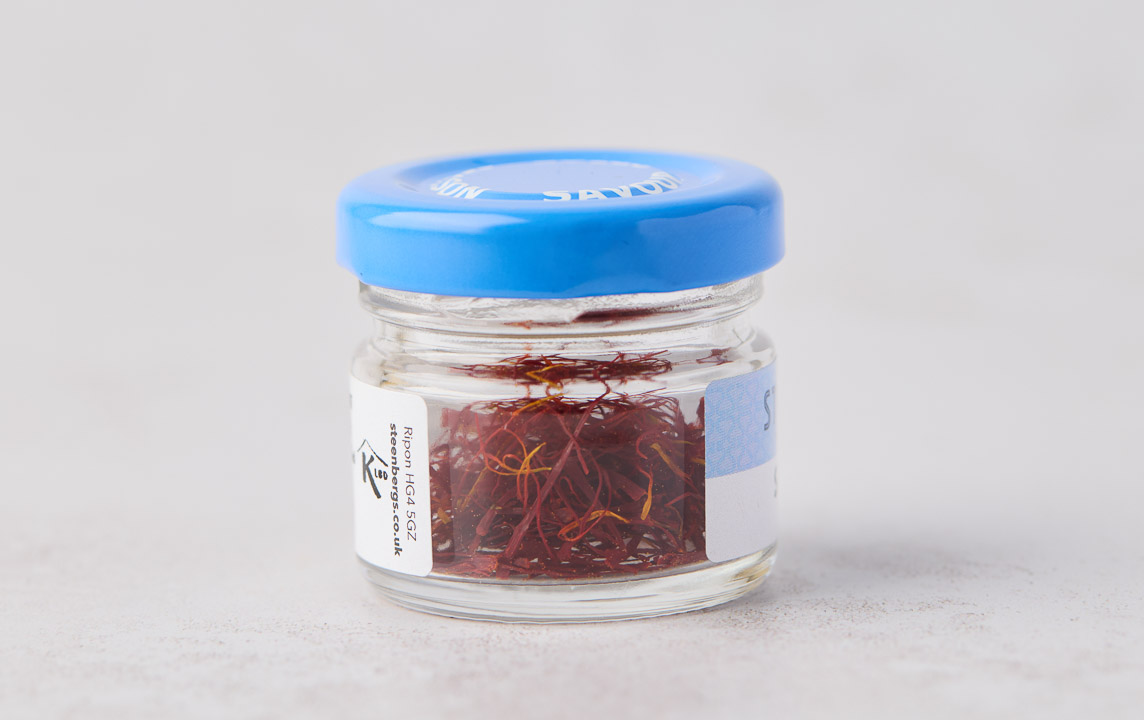
Steenbergs Saffron is premium saffron from Murcia, Spain. Saffron gives pinky red colour to food and tastes woody, rich, bitter and penetrating. There’s so many things to do with just a few strands of saffron from adding it to rice, to paella – whatever you do with it, it’s always a luxury.
Saffron is one of our favourite spices and is essential to the whole idea of the spice world – it’s got an exotic feel to it, even today.
What we love about saffron is how a small amount of a part of a plant can transform a dish, adding a richness and colour that is so distinctive. It connects cultures from Britain to Spain, to India and beyond, drawing a thin line from here to smallholders in these rural places.
Axel’s Tasting Notes: Saffron is Pungent: wood-like, oaked wine, bitter, lingering, appetite-stimulating taste.
Food Pairing: Spanish paella, Italian risotto, Indian rice, asparagus, squash, asparagus, eggs, fish and seafood.
More about Saffron
Saffron comes from an ornamental, autumn-flowering perennial crocus. It only grows to about 15 cm. Saffron, Crocus sativus, grows from bulbs which resemble small onions.
Saffron crocuses grow lily-like, blue to violet flowers with vividly contrasting, bright-orange stigmas and fluffy yellow, pollen-bearing stamens.
Each saffron flower has three stigmas connected to the base of the bloom by a fine, pale thread, the style.
It is the stigmas that make saffron spice, which when dried and separated from the style range from 10 – 18 mm long. These are a dark-red fibres which start thin and then fan out a little at the tip in a trumpet shape.
The aroma of saffron is woody, sweet and strongly floral while the flavour is bitter, lingering and appetising.
Its pungency comes from safranal and the earthy, bittersweet flavour from picrocrocin. But it is its colour that is its defining feature which comes from the powerful, soluble dye, crocin, which is in the blood-red stigmas’ colour. When released, saffron dyes food to a charming and magical orange-yellow that adds so much light coloured foods such as rice.
As for the cost, everything is done by hand and yields are tiny. So, 1 kg of saffron comes from 8.25 kg of fresh stigmas and consists of roughly 300,000 crocus flowers picked and 370 – 470 hours of work, so one pot of 0.5g comes from about 150 bulbs or 30 minutes of time.
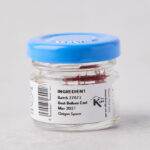
Ingredients
Saffron
Allergens marked in bold.
Nutritional Information
| Nutrient | Per 100g | Per Serving (0.3g) |
|---|---|---|
| Energy | 352.0 kcal / 1457.0 kJ | 0.9 kcal / 3.6 kJ |
| Fat | 5.9 g | 0.01 g |
| (of which saturates) | 0.0 g | 0.0 g |
| Carbohydrates | 61.5 g | 0.2 g |
| (of which sugars) | 42.4 g | 0.1 g |
| Protein | 11.4 g | 0.03 g |
| Salt | 0.4 g | 0.00 g |
| Nutrient | Per 100g |
|---|---|
| Energy | 352.0 kcal / 1457.0 kJ |
| Fat | 5.9 g |
| (of which saturates) | 0.0 g |
| Carbohydrates | 61.5 g |
| (of which sugars) | 42.4 g |
| Protein | 11.4 g |
| Salt | 0.4 g |
| Nutrient | Per Serving (0.3g) |
|---|---|
| Energy | 0.9 kcal / 3.6 kJ |
| Fat | 0.01 g |
| (of which saturates) | 0.0 g |
| Carbohydrates | 0.2 g |
| (of which sugars) | 0.1 g |
| Protein | 0.03 g |
| Salt | 0.00 g |
Storage
Store in a cool, dark place.
Recycling
Glass: Reuse, Widely Recycled. Metal Lid: Reuse, Widely Recycled. To remove the labels: the best way is to apply heat with a hairdryer and then they peel off.