Your cart is currently empty.
Yorkshire Parkin: A Sticky Ginger Cake for Bonfire Night and Beyond

By Vagner Carvalho | Makes 16 squares | Prep 20 min | Cook 1 hr 15 min | Rest 3 to 5 days
(if you can wait)
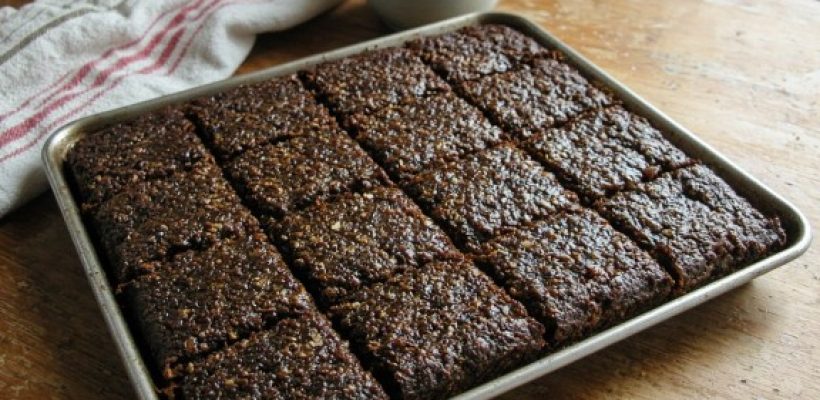
A tray of dark, sticky parkin, cut into squares and ready for the tea table.
There are a few bakes that seem to carry a whole season inside them, and Yorkshire parkin is
one of them. Dark, dense and wonderfully sticky, it is the cake that comes out every year when
the evenings draw in, the leaves turn and the smell of woodsmoke drifts across the fields. It is
the traditional treat of Bonfire Night on the fifth of November, handed round in squares
wrapped in greaseproof paper while the fireworks go up, and it is just as welcome on a grey
afternoon with a strong cup of tea.
What makes parkin so special is its unusual mix of humble ingredients. Oatmeal gives it a gentle,
nubbly texture; black treacle and golden syrup give it a deep, almost liquorice–like richness; and
a generous hand with the spice jar gives it its warmth. Ginger is the star, but nutmeg and mixed
spice round it out so that every bite tastes of autumn. It is honest, frugal, northern baking at its
very best, and it rewards a little patience more than any cake I know.
very best, and it rewards a little patience more than any cake I know.
Parkin is also a wonderful example of how much good spices matter in simple cooking. With so
few ingredients, there is nowhere for a dull, stale spice to hide. A fresh, fragrant ground ginger,
like Steenbergs organic ground ginger, gives the cake a bright heat that you can feel at the back
of your throat, while a freshly grated nutmeg adds a soft, sweet perfume. That is the difference
between a cake that is merely brown and sweet and one that people ask you to make again next
year.
A Little Parkin History
Parkin belongs to the north of England, and Yorkshire and Lancashire both claim it as their own.
Its roots lie in the days when oats, not wheat, were the everyday grain of the northern hills, and
when treacle, a by–product of sugar refining, was a cheap way to sweeten a bake. Families
would make a big tin in early November, partly to use the last of the warmth of the oven during
the harvest season, and partly because the cake keeps so well through the cold weeks that
follow.
Many towns in the north still celebrate a Parkin Day or a Parkin Sunday around the fifth of
November, and every family seems to have its own recipe. Some use only oatmeal, some add a
little plain flour to lighten the crumb, and some add a splash of milk or an egg. Some are fiercely
gingery, while others lean on mixed spice. The version below is the one I keep coming back to:
generously spiced, very sticky and properly dark, with a texture that is soft but still has a little
bite from the oats.
About the Spices
Ground ginger
Ginger is the soul of parkin. The dried, ground root has a warmer, rounder heat than fresh
ginger, and it holds its character beautifully through a long, slow bake. Use a full tablespoon if
you like a cake with a real kick. Ground ginger loses its punch over time, so if your jar has been
at the back of the cupboard since last Christmas, it is worth starting with a fresh one. Organic
ground ginger from Steenbergs has a clean, lively warmth that suits parkin perfectly.
Nutmeg
Nutmeg brings sweetness and depth. It is one of those spices that you might not pick out by
name in the finished cake, but you would certainly miss it if it were gone. I always grate a whole
nutmeg just before using it, as the aroma fades quickly once ground. Half a nutmeg, about a
teaspoon, is plenty for one tin.
Mixed spice
Mixed spice is the great British baking blend, a warm combination of cinnamon, coriander,
nutmeg, ginger, cloves and allspice. It is what gives hot cross buns, Christmas cake and fruit
loaves their familiar, comforting scent. In parkin it adds complexity, filling in the gaps around the
ginger so the spicing tastes layered rather than one–dimensional. A good organic mixed spice,
such as Steenbergs, is one of the most useful jars a home baker can own.
Ingredients
For the parkin
• 200 g unsalted butter, plus a little extra for the tin
• 200 g black treacle
• 85 g golden syrup
• 100 g light or dark muscovado sugar
• 250 g medium oatmeal (not rolled oats)
• 100 g self–raising flour
• 1 tbsp Steenbergs organic ground ginger
• 1 tsp freshly grated nutmeg
• 2 tsp Steenbergs organic mixed spice
• A pinch of fine sea salt
• 2 large free–range eggs, beaten
• 2 tbsp whole milk
From your kitchen
• A 20 cm square cake tin, about 5 cm deep
• Baking parchment
• A medium heavy–based saucepan
• A large mixing bowl and a wooden spoon
• Weighing scales and measuring spoons
• A fine grater for the nutmeg
• A wire cooling rack and an airtight tin for storing
Method
1. Prepare the tin. Heat the oven to 140°C (120°C fan), gas mark 1. Grease the square tin with
a little butter and line the base and sides with baking parchment, letting it come a little
above the rim so you can lift the cake out later
2. Melt the sticky things. Put the butter, black treacle, golden syrup and muscovado sugar into
the saucepan. Warm gently over a low heat, stirring now and then, until the butter has
melted and the sugar has dissolved. Do not let it boil; you only want it to become smooth
and glossy. A tip for weighing treacle: put the whole pan on the scales and pour the treacle
straight in, which saves a lot of sticky spoons.
3. Mix the dry ingredients. In the large bowl, combine the oatmeal, self–raising flour, ground
ginger, grated nutmeg, mixed spice and salt. Stir well so the spices are evenly distributed, as
no one wants to bite into a pocket of ginger.
4. Bring it together. Pour the warm treacle mixture into the dry ingredients and stir with the
wooden spoon until everything is coated. Add the beaten eggs and the milk and mix until
you have a smooth, loose, glossy batter. It will be much runnier than an ordinary cake mix.
That is exactly right.
5. Bake low and slow. Pour the batter into the lined tin and smooth the top. Bake in the centre of the oven for 1 hour to 1 hour 15 minutes, until the top is firm and springs back whengently pressed and a skewer pushed into the middle comes out with only a few moist crumbs. Do not be tempted to turn the oven up; a low temperature keeps the edges from burning while the middle cooks through.
6. Cool in the tin. Leave the parkin to cool completely in its tin on a wire rack. It may sink alittle in the middle as it cools. This is perfectly normal and, in many Yorkshire kitchens, a sign of a proper parkin.
7. Wrap and wait. Lift the cooled parkin out of the tin, still in its parchment, then wrap it in a
fresh layer of parchment and a layer of foil, or place it in an airtight tin. Leave it somewhere
cool for at least three days, and ideally a week. During this time the cake becomes darker,
softer and much stickier as the oatmeal absorbs the moisture from the treacle. This is the
secret of great parkin.
8. Cut and serve. Cut into 16 squares and serve on its own, with a cup of tea, or warm with
custard.
After a few days in the tin, the crumb turns soft, dark and sticky.
Tips for the Perfect Parkin
• Use medium oatmeal. Rolled porridge oats give a chewier, flapjack–like texture. Medium
oatmeal gives the classic close, tender crumb. If you only have rolled oats, pulse them a few
times in a food processor.
• Do not skip the resting time. Freshly baked parkin is a little dry and crumbly. After a few
days wrapped up, it becomes wonderfully moist and sticky. The flavour of the spices
deepens too.
• Measure your spices carefully, then trust your taste. The quantities above give a warm,
well–rounded cake. If you love ginger, increase it to 4 teaspoons, or add 2 or 3 pieces of
finely chopped stem ginger to the batter.
• Keep the oven low. Treacle and muscovado burn easily. A slow oven gives an even bake
without a bitter crust.
• Use fresh spices. Ground spices fade after about six months. Buy them in smaller amounts
and store them in a cool, dark cupboard in airtight containers to keep them at their best.
Variations to Try
Once you have made a classic parkin, it is fun to play with the spicing. A teaspoon of ground
cinnamon gives a softer, sweeter warmth. A pinch of ground cloves or allspice adds a deeper,
more festive note that works beautifully in December. For a grown–up version, add a tablespoon
of dark rum or whisky to the melted treacle mixture. Some bakers like to add the finely grated
zest of an orange, which lifts all the dark flavours and pairs wonderfully with ginger.
You can also turn parkin into a pudding. Warm a square gently and serve it with hot custard, a
spoonful of thick cream, or a scoop of vanilla ice cream. A drizzle of warm golden syrup over the
top makes it extra indulgent. Leftover parkin, should there ever be any, can be crumbled over
stewed apples or rhubarb as a quick spiced topping.
Bonfire Night and the Tea Table
In Yorkshire, parkin is part of a whole menu of Bonfire Night food. It sits alongside treacle toffee,
toffee apples, jacket potatoes cooked in the embers, sausages in bread rolls and steaming mugs
of soup or mulled apple juice. If you are planning a bonfire party, parkin is one of the easiest
things to prepare in advance, as it should be made several days early anyway. Cut it into small
squares, wrap each one in a twist of greaseproof paper and hand them out around the fire.
It also makes a lovely gift. A few squares wrapped in parchment and tied with string, perhaps
with a little card explaining the recipe, are a thoughtful thing to bring to friends at this time of
year. Parkin travels well and keeps for up to two weeks in a tin, so it is the perfect bake to share.
Storage
Wrapped well in parchment and foil, or stored in an airtight tin, parkin keeps for up to two
weeks at cool room temperature, and it improves for the first several days. It also freezes very
well. Wrap the whole cake or individual squares tightly and freeze for up to three months.
Defrost overnight at room temperature.
Why Spices Make the Difference
I often say that the best home cooking is about building flavour in layers, and baking is no
exception. In parkin, the treacle gives depth, the muscovado gives caramel notes, and the spices
bring all of it to life. If you enjoy thinking about how each ingredient adds to the whole, you
might like my guide to building flavour in cooking, which looks at the same principles in
everyday savoury dishes. The lesson is always the same: start with good, fresh ingredients, give
them time, and season with care.
Bring It to the Table
There is something deeply comforting about cutting into a parkin you made a week ago and
finding it dark, sticky and fragrant with ginger. It is a cake that teaches patience and rewards it
generously. So stock up on good ginger, nutmeg and mixed spice, light the oven, and make a tin
this autumn. Your kitchen will smell wonderful, and your Bonfire Night will taste just as it
should.
About the author: Vagner Carvalho is a chef and the creator of Skillet Glow, where he shares
approachable recipes and practical kitchen tips for home cooks